End of Life Care: All you need to know
How End of Life and Palliative Care can help you or a loved one.
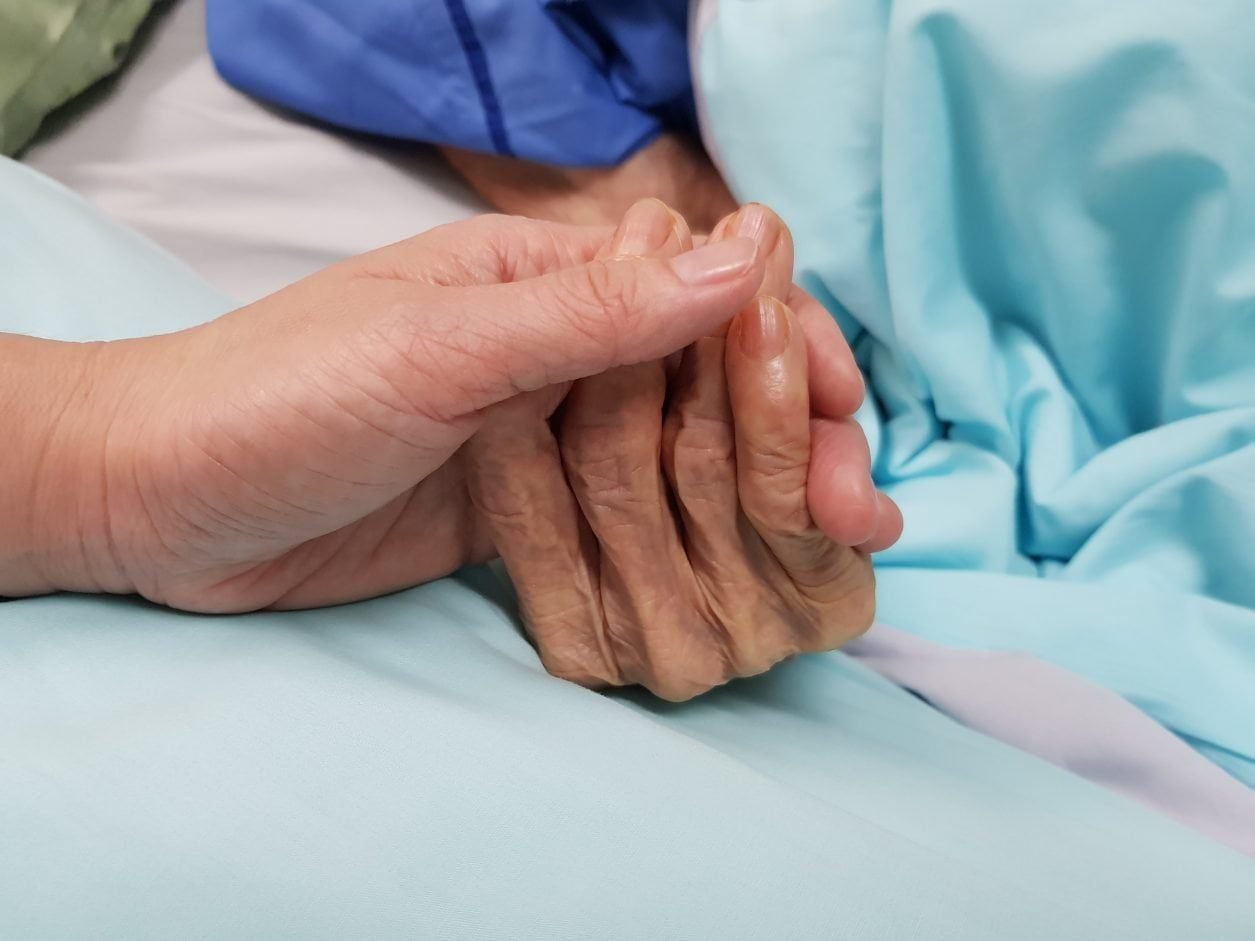
What is End of Life Care?
End of Life or Palliative Care is the support and care given to those who are nearing the end of their lives, helping them to feel as comfortable and safe as possible. End of life care services are available at home, in hospital, hospices and care homes, but many people prefer to receive end of life care in familiar surroundings with their loved by their side until the end. Approaching the end of life can be a difficult situation for the person receiving care, their loved ones and the palliative carer who is on hand to provide any type of support you or your loved one needs during this time. There are many things that can help alleviate the emotional pressure, and knowing your loved on is in the safest and most comfortable place is one of them.
End of Life Signs and Symptoms
If a person has been living with a terminal illness, a doctor or nurse may tell when they are nearing the end of their life and ask loved ones to gather. For others, end of life symptoms can come on more quickly, and may include:
- Weight Loss
- Increased periods of sleep
- Feeling hot or cold
- Eating and drinking less
- Bladder and bowel problems
- Breathlessness
- Noisy breathing
- Pain
- Nausea and vomiting
- Talking less
- Restlessness or agitation
- Delirium (sudden confusion)
Most of these signs of end of life are caused by the body slowing down and can be easily managed with compassionate and professional End of Life Care.
What are the differences between End of Life and Palliative Care?
Palliative Care is the term used to describe the care given to someone who is suffering from a terminal illness, or someone who will not recover from their condition.
Palliative Care includes End of Life Care, but End of Life Care often refers to the care someone receives in the very final stages of their life.
There is not a significant difference between End of Life Care and Palliative Care in terms of the type of care given; both types of care are carried out by professional district nurses or qualified carers, and both types of care revolve around keeping the person comfortable, pain free and feeling safe.
Why is End of Life Care important for your loved one?
Passing away in comfort and surrounded by family and friends is important, both for your loved one and yourself. Knowing your loved one has been given the chance to spend their final months, weeks or days feeling safe and supported and receiving proper care and attention is incredibly reassuring.
We understand that having a loved one experience end of life care can be distressing, but our carers try to alleviate some of the worries you may have, so you can spend quality time with your loved one.
Helping to create an End of Life care plan
When your loved one moves into the final stages of their life, helping their carers to create an end of life care plan can help give you peace of mind. Learning about the kind of care your loved one will receive and knowing that there is professional support available for them can put your mind at ease, so you are not worrying about whether their needs are being met. At Abbots Care, we involve loved ones in the planning of care, and this is especially important with End of Life care, as no one knows your loved one better than you.
You can also help to communicate your loved one’s wishes for the final phase of their life, allowing them to pass away with dignity while feeling secure, safe and loved.
End of Life decisions you may need to make
One of the decisions you can make with or on behalf of your loved one is choosing where they will receive End of Life Care. For many people, passing away at home is the preferred choice. This allows your loved one to feel the comfort of familiar surroundings. They can be visited by family and friends, and receive one on one care from professionally trained End of Life carers.
At Abbots Care, we have been administering End of Life and Palliative Care Services for over 25 years. Our services have been rated Outstanding by the CQC, and we were recently recognised as one of the Top 20 Home Care Providers in the UK in 2020.
To find out more about how our End of Life and Palliative Care services could help you or a loved one, please call us on 0330 094 5511 or get in touch.
“The Care staff that are supporting my Mum through her care needs are extremely lovely and supportive. Our Mum has cancer and she is receiving the most excellent and caring support from all Staff. We would just like to say a huge thank you as we know that there is more difficult times ahead for us as a family. ”
Child of Service User, Buckinghamshire Branch
See what our service users think